

Tempered and laminated glass are both classed as safety glass, but they are manufactured in different ways and do different jobs. The choice affects occupant safety, security, code compliance and your budget.
How tempered glass works
Tempered glass is heated and then cooled very quickly, which makes it about four times as strong as annealed glass of the same thickness. When it fails, it crumbles into small, fairly blunt pieces.
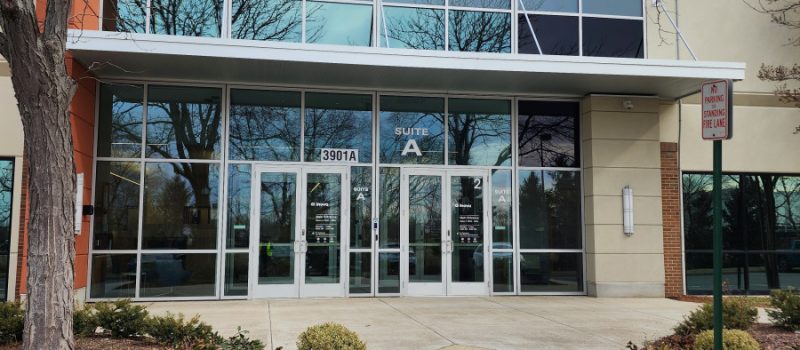
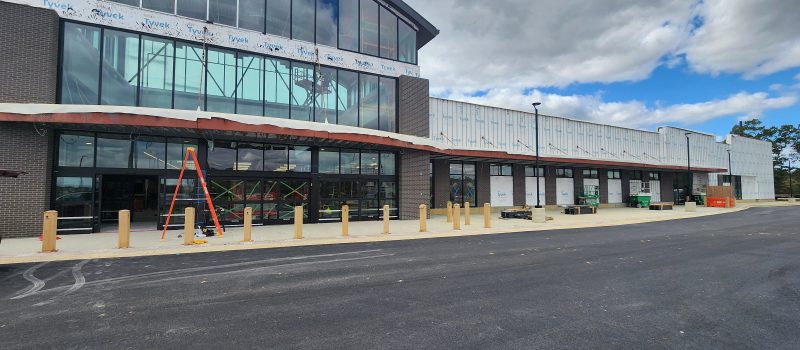
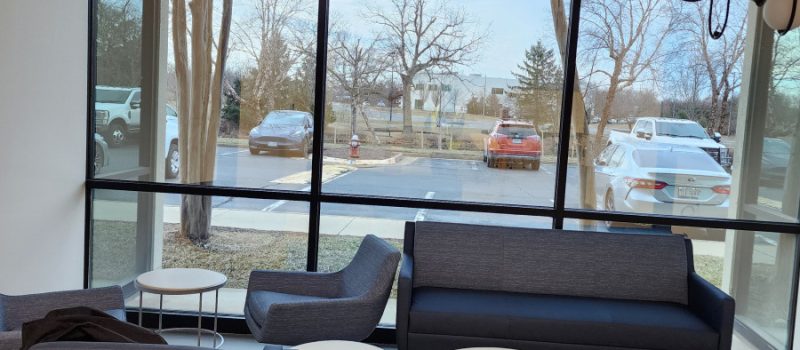
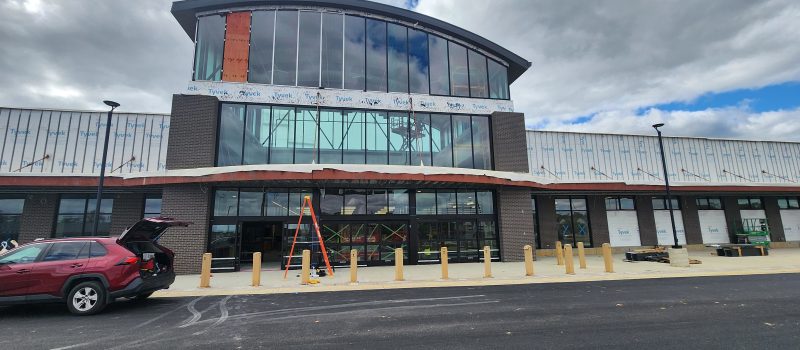
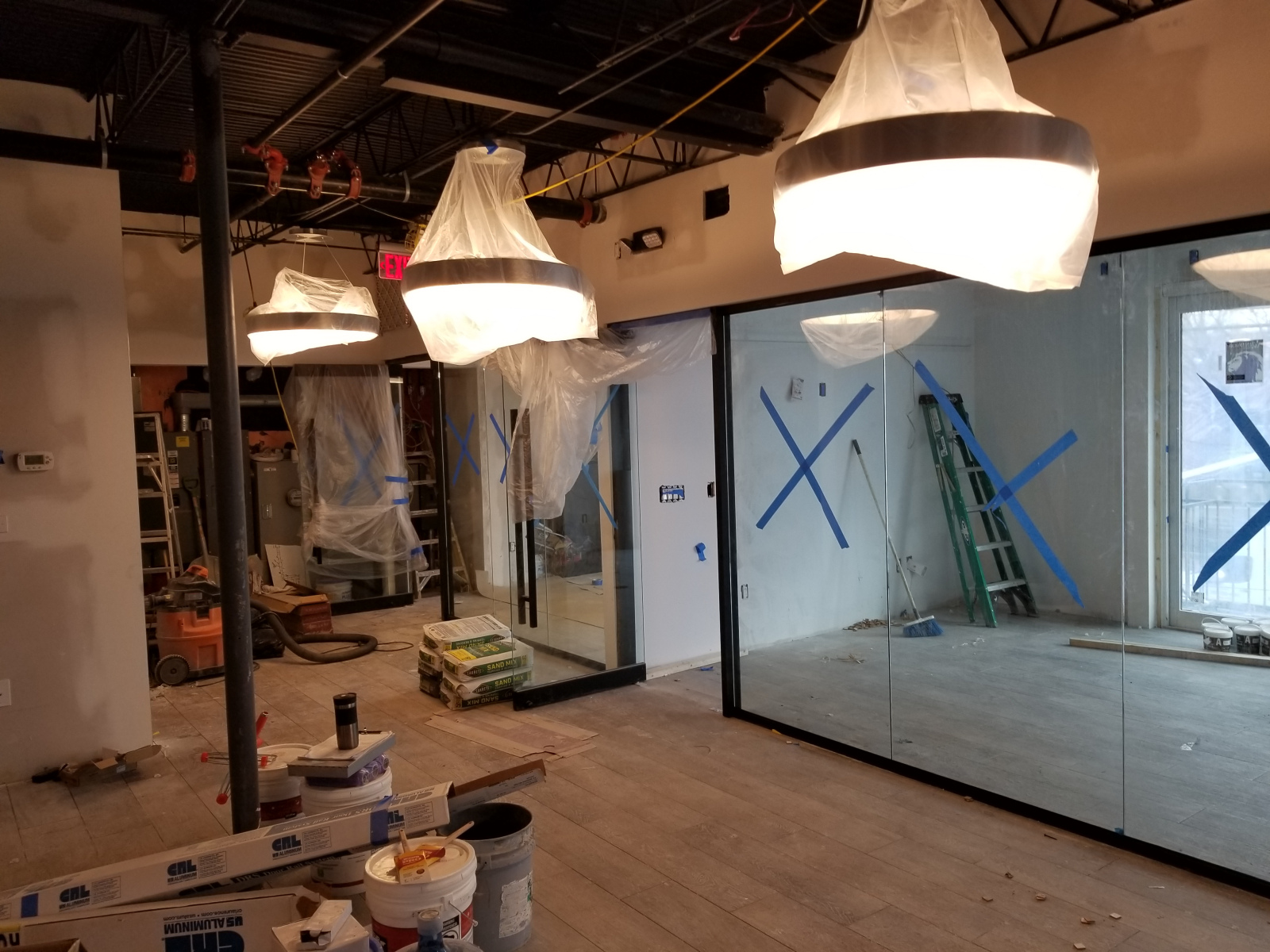
- Where it fits: storefront doors, entry lites, office partitions, locker and shower rooms and many window openings.
- Advantages: strong, affordable and easy to source.
- Drawbacks: when it breaks, the entire lite drops out and leaves an open hole, and it cannot be cut once tempered.
How laminated glass works
Laminated glass bonds two or more glass layers to a plastic interlayer (PVB or SGP). If it breaks, the pieces stay stuck to that interlayer.
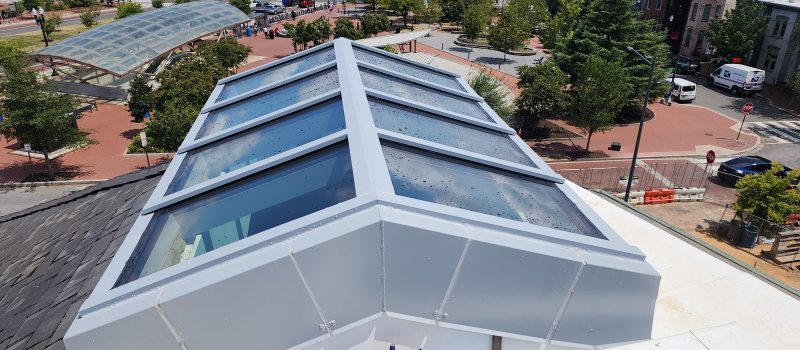
- Where it fits: skylights and overhead glass, glass railings and guards, security storefronts, schools, storm or blast resistance and noise reduction.
- Advantages: stays in the frame after breaking, delays intruders, filters out most UV and dampens sound.
- Drawbacks: more expensive and heavier.
Can the two be combined?
Yes. Many railings and skylights use laminated tempered glass, which pairs high strength with retention after breakage. Insulated units can also include a laminated inner pane for added security.
What do building codes say?
Codes list “hazardous locations” where safety glass is required, including doors, glass next to doors, large lites near the floor, railings and overhead glazing. Overhead glass usually has to be laminated. Your glazier will confirm the correct product for every opening.
Our advice
Choose tempered glass for most doors and interior partitions, laminated or laminated-tempered glass for overhead glazing, guards and railings, and laminated glass anywhere security is a concern. Have a specific project in mind? Send us your drawings and our team will review them.
Planning a commercial glass project?
Businesses, building managers and general contractors throughout Washington DC, Maryland and Northern Virginia work with CBE Glass. Phone (202) 492-0676 (answered 24/7 for emergencies), write to bid@cbeglass.com or ask for a free estimate.