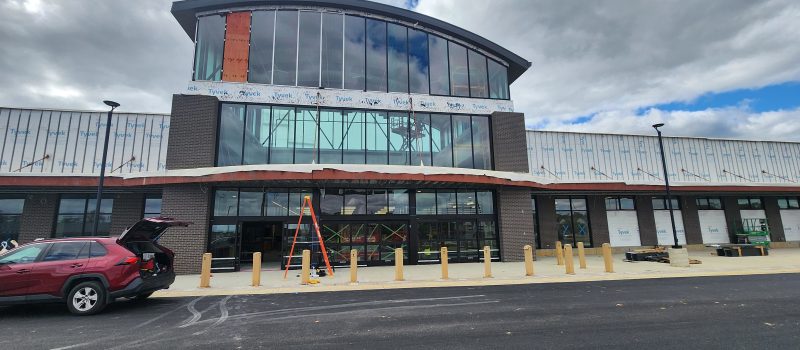


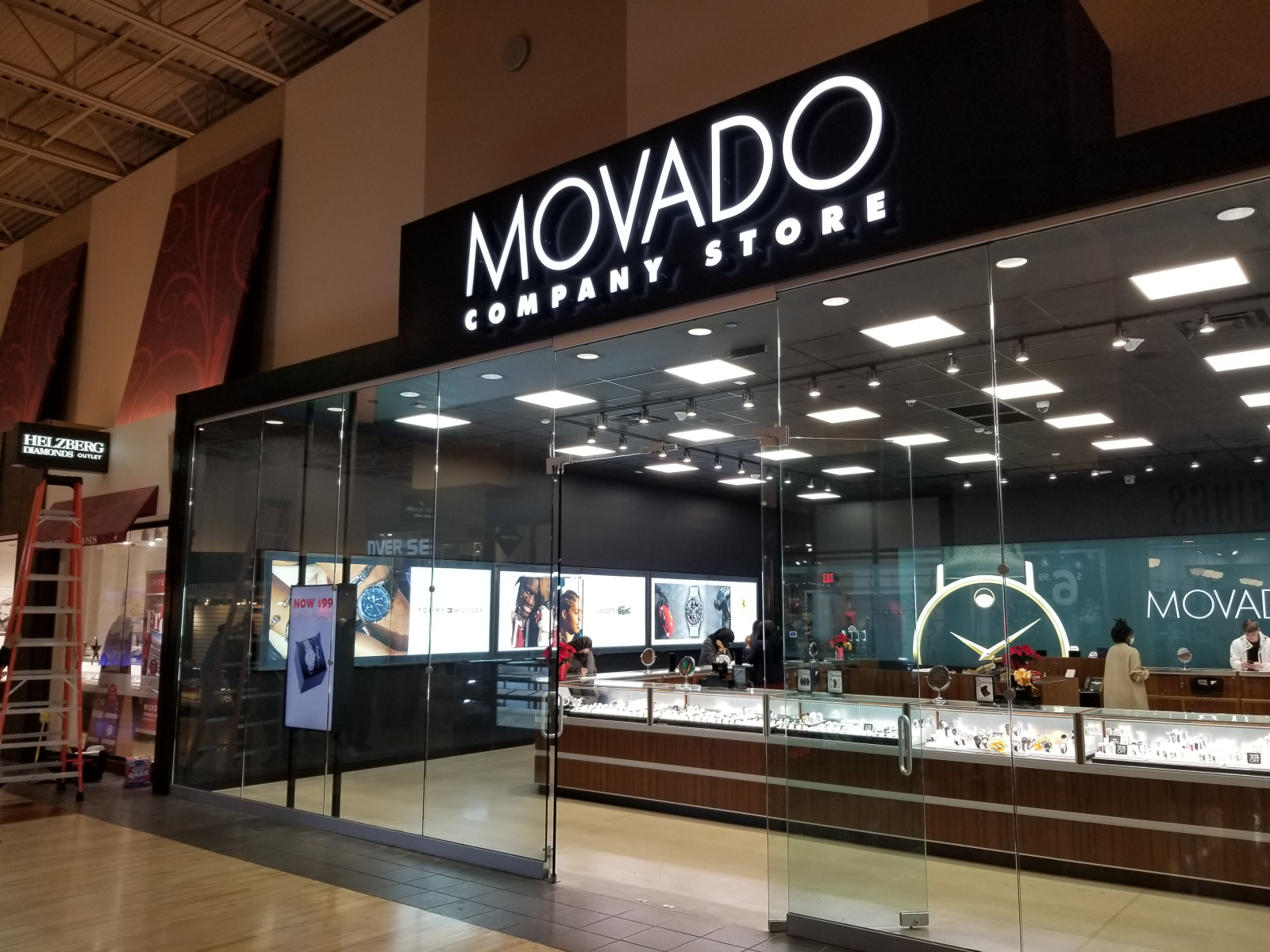
When storefront glass cracks or breaks, owners immediately want to know the price. Because no two storefronts are alike, a single number would be misleading. This guide walks through what actually drives the cost so you can read your estimate with confidence and choose the best option.
1. Which glass you need
Codes call for safety glass in most storefront and door locations, and the glass type has the largest effect on material cost:
- Tempered glass is heat-treated, roughly four times stronger than standard glass and breaks into small fragments. It is the norm for storefront doors and many lites.
- Laminated glass has a plastic interlayer that keeps the glass together when broken. It costs more but improves security and sound control.
- Insulated glass units (IGU) pair two panes around a sealed air space, often with a low-E coating for efficiency. They are made to order, which adds lead time.
- Specialty glass such as tinted, ballistic or decorative glass is quoted separately.
2. Dimensions and thickness
Large storefront lites weigh more, take more labor and may require vacuum lifters or a lift. Thicker glass, for example 1/2″ rather than 1/4″, also costs more and has to fit your existing frame pockets.
3. Condition of the frame
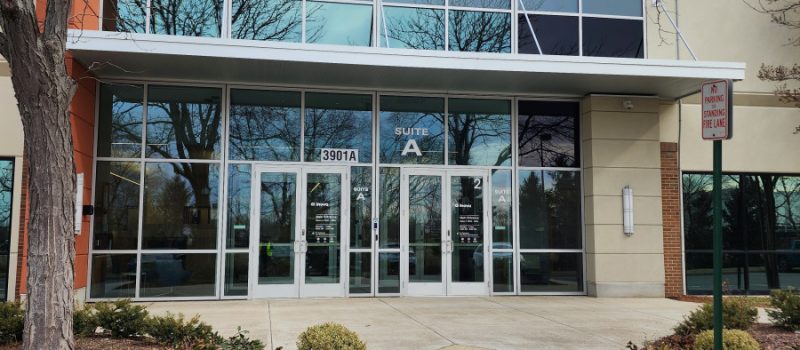
When the aluminum frame, gaskets and stops are sound, we can usually swap the glass alone. Bent, corroded or discontinued frames may need repair or replacement, which changes the scope a lot. Visit our storefront glass services page for complete system replacements.
4. Access, location and schedule
Street-level glass on a quiet block is easier than a second-story lite over a busy sidewalk or a storefront in a mall with strict after-hours rules. Night or weekend work, pedestrian protection and permits can all affect the final number.
5. Emergency board-up
Custom glass is rarely available the same day. If the break happens after hours, an emergency board-up secures the opening until the replacement arrives. It appears as its own line item, but it protects your merchandise and reduces liability.
Getting an accurate estimate
- Send clear photos of the damage and of the full storefront.
- Measure the visible glass if it is safe to do so.
- Look for an etched label in a corner of the glass, which often shows whether it is tempered or laminated.
- Let us know your timeline and whether the business is open to the public.
With these details, an estimator can usually identify the glass and send a precise, itemized estimate quickly. For simple replacements we can often confirm pricing by phone and book a site measurement right away.
Fix the glass or replace the storefront?
If the storefront is 20 to 30 years old, has failing seals or wastes energy, a broken lite may be the right time to move to a modern thermally broken system. We always price both options so you can compare.
Planning a commercial glass project?
Businesses, building managers and general contractors throughout Washington DC, Maryland and Northern Virginia work with CBE Glass. Phone (202) 492-0676 (answered 24/7 for emergencies), write to bid@cbeglass.com or ask for a free estimate.